


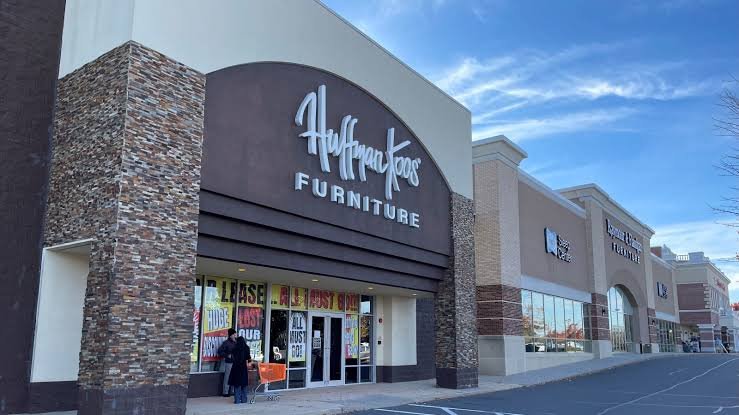
If you’ve seen “Store Closing” signs on your local Huffman Koos furniture store, you’re probably asking if the entire company is shutting down. This can be confusing—not only for customers waiting on deliveries, but also for small business owners watching fellow retailers weather tough conditions. Let’s break down what’s really happening at Huffman Koos, what “going out of business” means, and what practical steps you can take if you’re affected.
Current Business Status: Alive, But Not at Every Location
The biggest myth out there is that Huffman Koos is about to disappear from the map. That simply isn’t true. The Huffman Koos brand is still operational, actively marketing itself as “better than ever” following a major rebranding. You can still visit their headquarters and retail showroom in Fairfield, NJ, which company leaders repeatedly describe as “alive and well.”
What’s more, Huffman Koos’ management has been quick to clarify that recent store closures are not signs the business is folding. In fact, a corporate representative told local press, “Huffman Koos is not closing; we’re only re-allocating the property here.” That’s not just marketing spin—they’re pointing to ongoing business at existing locations and an intent to return to certain regions where closures are happening.
If you’re wondering about the rest of the locations, the brand continues to mention “other four Huffman Koos locations,” even as some stores transition or close. That’s a real sign of ongoing business activity, not a full chain shutdown.
Store Closures: Why They Happen and What’s Next
It’s true that Huffman Koos has closed—and is closing—multiple stores, both in New Jersey and New York. But the reasons are less about financial ruin and more about lease issues, property renovations, and strategic decisions on where to operate. Let’s review the specifics:
- Freehold, NJ: The Freehold Township store near the mall displayed bold “all must go” signs, catalyzing rumors of chain-wide liquidation. The company, though, says the reason is simple: “lost our lease.” The property is now up for rent and the business is not exiting the state.
- Elmhurst (Queens), NY: The well-known Huffman Koos location on Queens Boulevard closed recently, again due to a lost lease. The location is marked “permanently closed” in several directories, but the closure is local, not national.
- Middletown, NY: The Hudson Valley store is shutting down, but management describes this as “temporary,” tied to landlord renovations and the company’s plans to “reallocate property.” They have specifically mentioned seeking a new upstate New York location to serve that market.
Many media outlets count only two or three closures out of the six regional stores, so the “out of business” narrative doesn’t really fit.
Some closures follow a chain-wide renovation and rebranding effort that saw all New York and New Jersey locations “temporarily closed for a major update.” Several sites have since reopened under a refreshed brand.
For anyone watching retail, this isn’t unusual. Retailers often shut lower-performing or expensive-to-operate sites to sharpen their footprint, especially after the disruptions of the past few years. The big takeaway: Huffman Koos is shrinking the number of its physical stores, but not ending business outright.
How the New Huffman Koos Is Different from the Old One
If you remember shopping at Huffman Koos decades ago, you probably recall a much bigger chain. The old Huffman Koos, however, went bankrupt under parent company Breuners Home Furnishings Corp. (BHFC) in the early 2000s. That bankruptcy led to a Chapter 11 liquidation of all 47 stores—20 of which wore the Huffman Koos sign.
After the bankruptcy, entrepreneur Anthony Mehran bought the Huffman Koos name and web domain in 2005. This “new” Huffman Koos opened a wholesale showroom and restarted retail operations from scratch. In fact, consumer watchdog sites even note, “This Huffman Koos is not the same company as the one that sold off its furniture because of bankruptcy.”
What does that mean for you? Even though the original chain went out of business, the brand now belongs to a successor company that has not filed for bankruptcy. The core lesson: not all “Going out of business” banners refer to the collapse of the entire brand. Sometimes it’s about a business reinventing itself, closing scattered outposts, and trying to build for the future.
What Does ‘Going Out of Business’ Really Mean?
It’s important to understand how retail uses the phrase “going out of business.” In professional circles, it typically refers to total company liquidation—all locations closing, warehouse inventory gone, and business filings made for formal dissolution.
That’s not what is happening at Huffman Koos. Here’s what the situation looks like instead:
– The business is closing specific stores because of lost leases, incoming renovations, or strategy shifts.
– Stores that are closing run big liquidation sales—using “Everything Must Go!” and “Store Closing” language to clear inventory.
– At least one physical storefront (Fairfield, NJ) remains open for business. Other New Jersey and upstate New York locations remain listed in active business directories, as the company repositions.
– Both the website and corporate spokespeople repeatedly stress: Huffman Koos the company is still “alive and well.”
For you, this means you need to look beyond just the store window signs. A “store closing” sale doesn’t necessarily equal a dying company. Instead, it often reflects real estate realities, changing demographics, or smart consolidation to keep the core business healthy.
Practical Advice: What Should Customers Do Now?
If you are a customer with a pending order or warranty—you want to make sure your money and products are safe. Here’s a proven set of steps you can use:
- Check which locations are truly closed. The Huffman Koos website, Google Maps, and business directories can help you verify the status of your store.
- Contact the Fairfield, NJ corporate location for support. This store is described as the “active hub” for operations, including service, order fulfillment, and warranty help.
- Keep your purchase documentation in order. Save digital or physical copies—receipts, contracts, warranties, and email communications. This can help you secure delivery or resolve issues.
- Shop closing sales with awareness. “Everything must go” sales can offer tremendous deals, but be sure to clarify delivery timelines, return policies, and warranty support before you purchase.
- Ask about support continuity if your local store is shutting down. Reputable brands continue honoring warranties and resolving problems from their remaining open locations.
Being proactive protects your rights. You can also let friends or family know about which locations have closed to prevent confusion or frustration.
The Current Climate: Business As Usual… With Fewer Stores
Retail, especially in furniture, is always changing. For Huffman Koos, this has meant some tough calls—closing stores where the lease ends, and revamping the business model so it can last. But according to every available report and company comment, the Huffman Koos brand is not disappearing.
Consider the facts:
– The original Huffman Koos was dissolved twenty years ago, but the current company is a revived business entity under different ownership.
– Multiple locations have closed or are closing, but the business continues, especially in Fairfield, NJ.
– Company spokespeople, news outlets, and retail analysts all agree: Huffman Koos is still in business, just operating in fewer places for now.
– Liquidation sales are about moving stock in shuttering stores, not about liquidating the entire company’s assets.
This is a good example of why you shouldn’t panic when you see signs of change in longstanding brands. Retailers often shrink, then grow again in new areas or with new concepts. By keeping your records and maintaining contact with active locations, you can continue to get service and support.
If you’re looking for more strategies about adapting to today’s business realities—or want to learn from brands that have come back from tough times—make sure to check out businessweeklies.com.
What’s Next for Huffman Koos—And What You Can Learn
So, will Huffman Koos keep closing stores? Probably yes, as they review leases and focus on higher-performing locations. Will the brand vanish entirely? There’s no evidence of that. For business owners, this is a reminder: focus on your strongest markets. Don’t hesitate to cut underperforming outposts to preserve your resources for key operations.
For customers, understand that store closures can look alarming but may not disrupt your orders or warranties if you act early and connect with the main corporate office.
Businesses—large and small—must evolve. Huffman Koos demonstrates that even after a major setback like bankruptcy, a brand can return, adapt, and stay relevant. This can help you build your own playbook for handling shifting customer needs, real estate puzzles, and changing retail trends.
Keep tracking the health of brands you shop with or compete against. Ask direct questions, stay connected, and take steps to safeguard your interests. That way, you’ll get the benefits of stability—even when the sign on the door says “Store Closing.”
Read Also:
