


Setbacks can trigger rumors fast—especially in tech. If you’ve seen headlines about EVGA going out of business or shutting down, you’re not alone. Let’s set the record straight, offer some practical takeaways, and help you understand what’s behind this hot topic.
Understanding Where EVGA Stands Now
EVGA is not out of business—at least, not right now. This company built its name producing graphics cards, especially those using Nvidia chips, and held a strong reputation for customer support.
Recently, you may have heard chatter about the company shuttering or leaving several product lines. These reports are only partly true. It’s important to separate facts from speculation so you can make informed purchase and business decisions.
Why Did the Rumors Start? The GPU Exit Explained
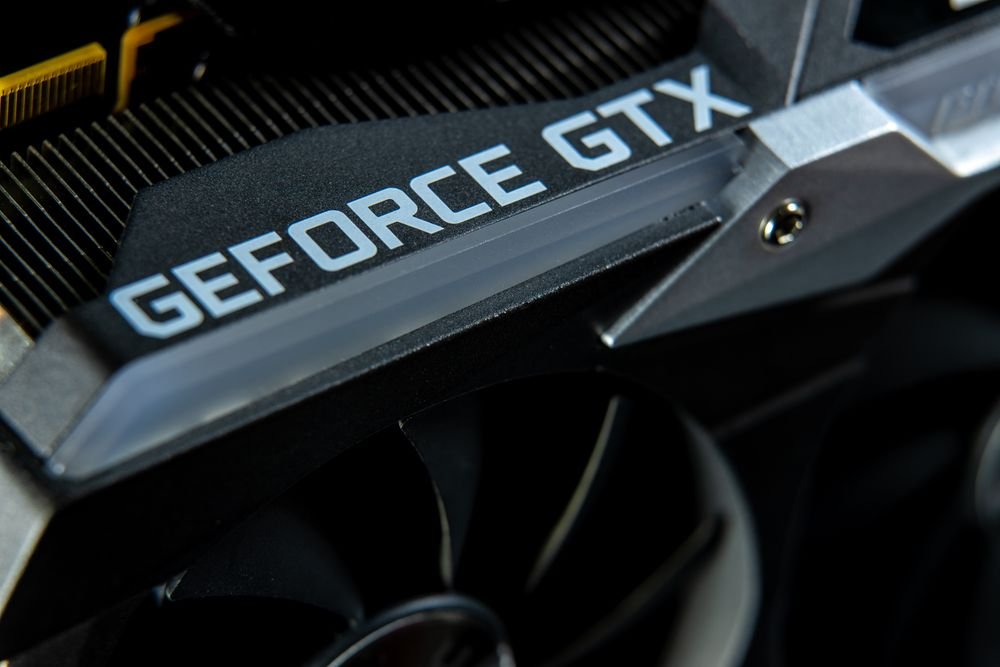
One major event kicked off this uncertainty: EVGA’s public exit from the graphics card (GPU) market. On September 16, 2022, EVGA announced it would stop making GeForce cards and wouldn’t switch to AMD or Intel instead. This was a shock, since graphics cards accounted for about 78% of EVGA’s revenue.
This means a huge piece of what made EVGA famous—high-quality GPUs and standout support—is now gone. For many, this raised a red flag: If your main business line is gone, what’s next?
Consider your own business for a second. Imagine you had to cut the product that brought in three-quarters of your income. You’d need a plan to pivot fast. That’s where EVGA found itself.
Downsizing Doesn’t Equal Shutting Down
EVGA followed its GPU announcement with news of layoffs and company restructuring. Reports surfaced that the company would shrink its workforce and limit its product lineup.
However, it’s critical to notice what they said next: the CEO made it clear that EVGA was not closing its doors or declaring bankruptcy. He stated directly that he had zero interest in selling the company.
Gamers Nexus, a trusted technology channel, confirmed through interviews that while EVGA was shedding jobs, it was financially stable and planned to keep honoring support and warranties. This isn’t ignoring problems—it’s a realistic resizing to fit their new reality. For business owners, this is similar to trimming products that aren’t profitable anymore while doubling down on core strengths.
Official Statements: “We’re Still Here”
Rumors are tough to squash once they start. That’s why EVGA put out a statement after new shutdown stories surfaced, writing:
“We saw those message and they are rumors. Our Taiwan office is still operating and Kingpin is still with EVGA. EVGA is still doing business and supporting its customers.”
Trusted outlets like Tom’s Hardware and TechPowerUp also confirm that EVGA continues to serve clients and hasn’t made any official moves to cease operations completely.
Take this as a reminder for your own company: direct, clear communication calms uncertainty better than letting rumors spiral.
Non-GPU Product Lines: What’s Still in Motion?
Count on EVGA for products like power supplies (PSUs), computer coolers, and motherboards. After the GPU announcement, they emphasized a “power supply first” strategy and planned to continue selling motherboards and coolers.
But even here, shifts are happening:
– Reports suggest EVGA is winding down its motherboard business as well.
– No new product launches indicate a shrinking product pipeline.
– The company’s Spanish office shared that business there was “still operating normally,” but uncertainty lingers.
If you rely on a single flagship product, remember this lesson: a diverse product lineup buffers you during tough transitions.
Where Do They Still Operate?
Don’t forget that EVGA operates globally, with offices in the U.S., Taiwan, and other regions. Some areas are winding down faster than others, and the pace of change isn’t the same everywhere.
If you’re planning to buy or support EVGA products, check regional updates. Some markets might see products phased out sooner than others, much like any company with international branches.
How Customer and Community Support Is Changing
Customer support isn’t disappearing, but you’ll notice changes. EVGA closed its official forums, leaving them read-only. Instead, active discussions and announcements now happen on TEAMEVGA’s Reddit community.
This shift means:
– Faster updates on social media instead of traditional forums.
– Continued warranty and repair help for existing customers, which the company promises to honor for the length of the promised warranty periods.
For customers, this is good news—EVGA isn’t leaving you in the dust. For business owners, it’s a reminder that adjusting how you communicate is vital during uncertain times.
Why Do People Think EVGA Is Going Out of Business?
Several connected signals make people assume a complete EVGA shutdown is coming:
– The dramatic Nvidia split and total exit from GPUs, which was EVGA’s most profitable division.
– EVGA choosing not to switch to AMD or Intel, further reducing future revenue streams.
– Reports of layoffs and cuts to product lines, including the rumored exit from motherboards.
– Closing the official community forums, moving activity to Reddit—seen as another cost-saving move.
From the outside, these steps look like classic signs of a business winding down. In practice, it’s more complicated.
The New Smaller, Leaner EVGA: What Does It Mean for You?
So, should you avoid EVGA completely or panic if you own their hardware? No. The reality is that EVGA, as it was known, has changed dramatically. The company has become much smaller, with a narrower focus.
Here are key facts you should keep in mind:
– EVGA is not bankrupt and has not formally ended operations.
– Most new product development has slowed or stopped, especially for components that once made up their core identity.
– If you have an EVGA GPU or motherboard, warranty and support are still available—for now.
If you’re a business leader or a buyer who values long-term product ecosystems, use caution. Relying on a shrinking company carries a risk if you want upgrades years down the road. This isn’t a death sentence, but it calls for monitoring—just as you would with any strategic supplier in flux.
Consider setting up alerts, reviewing EVGA’s official channels, and talking to reps if you rely heavily on their hardware.
Key Takeaways for Small Business Owners and Tech Buyers
It’s important to act with your eyes open. Here are steps you can put into practice:
– If you’re buying EVGA gear, check warranty status and estimated timeline for ongoing support.
– Monitor their subreddit and main website for the latest updates on regional operations and support policies.
– Map out alternatives for future purchases—like other PSU and motherboard brands—so you’re not caught flat-footed if operations narrow further.
– If you manage tech assets for your firm, log which systems use EVGA and document warranty periods. That way, you’re ready to support internal customers or clients.
Think of this like managing any vendor relationship: evaluate risk, have backup plans, and communicate any changes to your own team. That’s how you protect uptime and ensure smooth operations, regardless of vendor instability.
For inspiration, you can learn from how other tech businesses have handled sudden industry shifts or partner changes. The key is early awareness and proactive planning.
Conclusion: What’s Next for EVGA—And for You?
Bottom line: EVGA is not “gone” yet, but the large-scale, GPU-driven company you knew is mostly history. The business exists in a smaller, stripped-back form that’s supporting existing customers and honoring warranties, but has little in the pipeline for new growth.
If you’re a customer, EVGA is still honoring its commitments, so you’re not unsupported—but the product ecosystem is shrinking. If your business depends heavily on their parts, start mapping out alternative suppliers so you can adapt fast if things change.
Stay alert, keep communication open with your vendors, and treat this as a lesson in business resilience. Companies change; your job is to stay informed and shift with them for the best results.
Read Also:
