


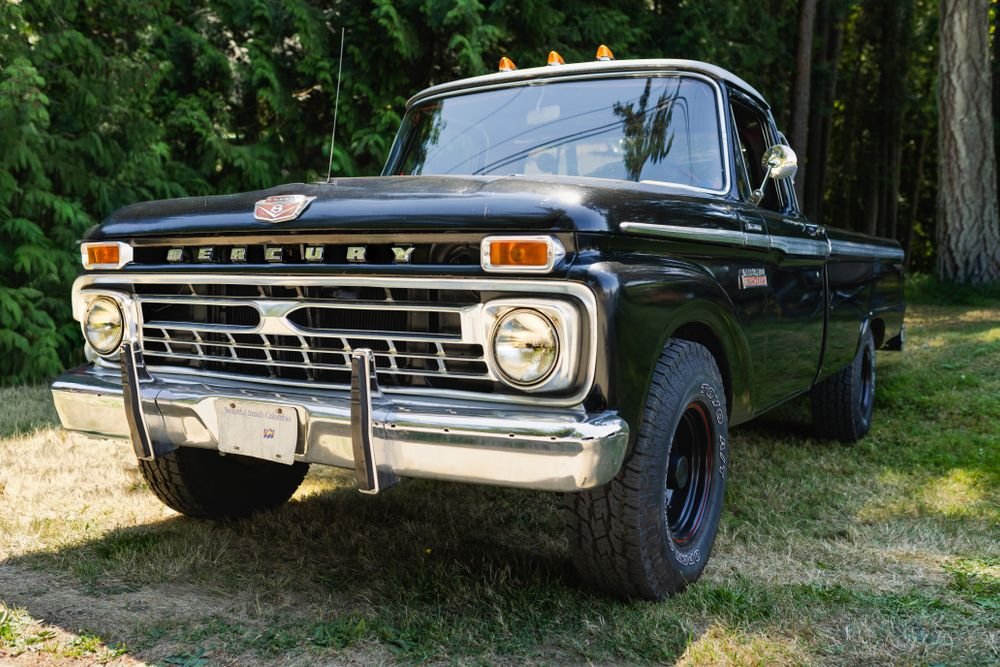
If you’ve ever owned a Mercury vehicle or heard talk about “Mercury going out of business,” you’re not alone in your curiosity. It’s important to separate facts from speculation—especially if you manage a business or just like understanding how established brands shift with the market. Let’s walk through the details of Mercury’s journey, its closure, and what that means for other companies sharing the Mercury name.
Introduction to Mercury’s Status
You might be wondering, “Is Mercury still making cars?” The answer is simple: Mercury, as an automobile brand, is already out of business. This isn’t a recent change. Ford, the parent company, confirmed the official discontinuation of the Mercury division in 2010. By early 2011, Mercury cars stopped rolling off production lines altogether.
Why does this matter? Understanding the rise and fall of well-known brands can help you spot signals and lessons for your own business strategies. Mercury’s decline is a classic example of how market shifts and brand positioning can affect outcomes—whether you’re managing a product line or steering a company’s future.
The History of the Mercury Brand
Mercury wasn’t just an afterthought in Ford’s plans. Created in the late 1930s by Edsel Ford—son of the legendary Henry Ford—the brand aimed to fill a precise niche. Think of Mercury as the bridge between everyday Ford models and upscale Lincolns. For roughly 71 years, Mercury sold cars to millions across North America, sometimes finding surprising pockets of loyalty and demand.
Mercury’s design often leaned on affordability mixed with a hint of sophistication. For instance, the Mercury Cougar and Grand Marquis won over many long-time customers looking for comfort without the Lincoln price tag. By offering models that filled a gap in the crowded auto market, Mercury achieved a consistent—if not always headline-grabbing—presence.
Reasons for Mercury’s Discontinuation
So, why did Mercury stop making cars? The short answer: sales dropped, the brand overlapped too closely with Ford, and consumer tastes changed. Here’s how those reasons break down:
Declining Sales: Mercury’s U.S. market share slipped below 1% in its final years. With fewer buyers, the business case for continuing the brand just wasn’t there.
Lack of Investment: Ford shifted its resources to the Ford and Lincoln brands. As a result, Mercury models rarely saw updates or innovation in their last decade.
Brand Overlap: Many Mercury vehicles were nearly identical to certain Ford models—just with different badges and a few cosmetic tweaks. This confused customers and reduced the incentive to pay extra for Mercury.
Strategic Refocus: By ending Mercury, Ford could funnel time, creativity, and marketing into brands that better fit consumer demand.
It’s important to review what made Mercury successful, but also what led to its irrelevance. When a product’s unique value disappears, sales quickly follow. If you run a business, ask yourself: Are there overlaps in your offerings that confuse or split your audience? Consolidating and clarifying your brand can help.
Timeline of Mercury’s Closure
Let’s map out the key dates and turning points so you get a clear sense of what transpired:
June 2, 2010: Ford officially announces plans to wind down the Mercury brand after over 70 years.
Fall 2010: Production of Mercury vehicles starts shutting down as dealers prepare for the end.
January 2011: The last Mercury car, a Grand Marquis, comes off the assembly line in Canada. With its completion, Mercury ceases to exist as an operational brand.
Ford moved quickly but smoothly. Dealers received support in clearing out inventory, and customers still got parts and service for their existing vehicles through Ford’s network.
If you ever face phasing out a line or product, use a detailed timeline and clear communication like Ford did. This minimizes confusion for both customers and staff, leading to a smoother transition.
Current Status of the Mercury Automobile Division
What’s Mercury’s status today? Officially, the Mercury division is defunct—meaning it’s no longer producing or selling cars. If you’re searching for new Mercury models or worrying about whether the brand could make a comeback, it’s best to focus elsewhere.
For customers and business partners, service and support routes still exist—mainly through Ford. The closure allowed Ford to sharpen its focus on growing the Lincoln luxury line and keeping the Ford brand strong in a competitive market.
This move freed up investment dollars, design talent, and marketing budget for the two surviving brands. For example, Lincoln saw significant refreshes and new model introductions right after Mercury ended. You can use similar tactics if you want to focus your efforts—shed what’s less profitable, then reinvest in what sets you apart.
Distinction From Other Mercury Companies
This is where some confusion often crops up. Not all “Mercury” brands have anything to do with cars. For example, you’ll find other businesses—such as Mercury Marine, which manufactures outboard boat engines—still thriving today.
If you see headlines or rumors suggesting that “Mercury is going out of business,” always check which company they mean. Mercury Marine is under a different owner and continues to serve a wide range of marine industry customers.
Some videos speculate about Mercury Marine’s future, but there’s no credible or recent report suggesting financial trouble or business closure. This can help you if you’re evaluating suppliers or partners—always do a quick check on corporate structure and financial stability.
To sum up:
Mercury (automobile, by Ford): Discontinued; business operations ended in 2011.
Mercury Marine (engines): Still in operation, serving marine customers and innovating in the boating market.
Other Mercury-named firms: Vary by industry—be sure to identify the right one before making decisions.
Supporting Customers, Dealers, and Businesses During Closure
Mercury’s shutdown showed how a major brand can wind down with minimal disruption. Ford worked directly with dealers, setting clear inventory targets, supporting remaining vehicle sales, and transferring warranties to Ford dealerships.
If you work with long-term customers or partners, these actions offer a roadmap:
Communicate decisions clearly and early—remove the rumor mill.
Provide transition support to dealers and staff, including retraining and alternative product lines.
Keep customer service channels open, so owners aren’t stranded or left with unsupported products.
Offer value-added pathways, like discounted upgrades or targeted marketing for related brands.
You can apply these lessons even if you’re running a much smaller business. For example, if winding down a product line, develop a support plan covering warranties, spare parts, and alternatives. This boosts customer retention and reassures partners.
Lessons From Mercury: Brand Management and Strategic Focus
So, what can business owners and managers learn from Mercury’s fate? Here are a few actionable takeaways:
Regularly audit brand overlap. If you have several offerings that look too similar, consider trimming the lineup. This streamlines your messaging and reduces costs.
Track market share closely. When a product starts showing steep declines, investigate why. Sometimes, shifting trends—not just weak products—drive change.
Don’t be afraid to pivot resources. Mercury’s closure let Ford invest more in Lincoln, repositioning it for luxury buyers. You can focus on your growth areas, too—whether that’s a new service or a more promising audience.
Communicate strategic moves transparently. You avoid confusion and build trust by sharing your reasoning and next steps with stakeholders.
If you want expert advice on handling business closure or brand consolidation, consulting a platform like Business Weeklies gives you case studies, actionable tips, and tools for managing transitions smoothly.
Conclusion: Mercury’s Legacy and What It Means For Business Strategy
Mercury’s chapter in the automotive world officially closed in January 2011, ending a 71-year run with millions of vehicles sold. For those who grew up with the Grand Marquis or Cougar, the brand carries plenty of nostalgia.
From a business perspective, Mercury’s story is a prime example of why you must keep your offerings relevant and avoid brand confusion. When sales slip and customer loyalty shifts, you need to act fast, stay transparent, and make bold but practical decisions.
For today’s entrepreneurs and small business leaders, Mercury’s journey offers a useful lesson: focus on what truly sets you apart, invest in your most promising lines, and support your community through big changes. That way, you keep your business resilient, relevant, and positioned for smarter growth—even as the market shifts.
As you face your own brand questions or hear news about others “going out of business,” remember: the real key is observing, adjusting, and moving forward with confidence and a clear strategy. That’s how you build a legacy that lasts.
Read Also:
